
Your Local Tick Guide for Lomira, WI Pet Owners
Ticks in Wisconsin: What Pet Owners Need to Know
Ticks are a common concern for pets and people throughout Wisconsin, including here in Lomira and surrounding communities like Mayville, Theresa, Brownsville, Campbellsport, Fond du Lac, and Beaver Dam. With Wisconsin’s wooded areas, hiking trails, tall grasses, farms, and changing seasons, tick exposure can happen almost anywhere your pet spends time outdoors.
Ticks are more than just a nuisance — they can carry serious diseases that affect both pets and humans. Fortunately, year-round prevention and routine tick checks can greatly reduce your pet’s risk.
This local tick guide will help you:
- Learn about the most common ticks found in Wisconsin
- Understand tick-borne diseases in dogs and cats
- Know where ticks are commonly found around Lomira
- Learn how to safely remove ticks
- Understand the importance of year-round tick prevention
- Know when to contact your veterinarian
Why Are Ticks So Common in Wisconsin?
Wisconsin consistently ranks as one of the states with high tick activity, especially during spring, summer, and fall. Mild winters and increased wildlife activity have contributed to growing tick populations throughout Dodge County and surrounding areas.
Ticks thrive in:
- Tall grass
- Wooded areas
- Brush and leaf litter
- Hiking trails
- Farm and pasture land
- Parks and nature preserves
- Backyard landscaping
Even pets that spend most of their time indoors can still be exposed if they go outside for walks, bathroom breaks, or time in the yard.
Common Ticks Found Throughout Wisconsin
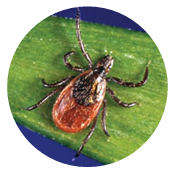
Deer Tick (Black-Legged Tick)
The deer tick is one of the most common and medically important ticks in Wisconsin.
Deer Tick Facts
- Very small in size
- Most active during spring and fall
- Common in wooded and grassy areas
- Known to carry Lyme disease
Diseases Spread by Deer Ticks
- Lyme disease
- Anaplasmosis
- Ehrlichiosis
Dogs are especially at risk for Lyme disease in Wisconsin due to the large deer tick population.
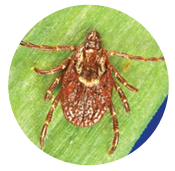
American Dog Tick
The American dog tick is larger and easier to spot than deer ticks.
Dog Tick Facts
- Most active during spring and summer
- Often found in grassy fields and along trails
- Common on dogs that spend time outdoors
Diseases Spread by Dog Ticks
- Rocky Mountain spotted fever
- Tularemia
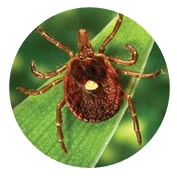
Lone Star Tick
Lone star ticks are becoming more common in parts of Wisconsin.
Lone Star Tick Facts
- Recognized by the white spot on the female’s back
- Aggressive feeders
- Found in wooded and brush-heavy areas
Diseases Spread by Lone Star Ticks
- Ehrlichiosis
- Tularemia
Tick-Borne Diseases in Dogs
Lyme Disease in Dogs
Lyme disease is one of the most common tick-borne illnesses diagnosed in Wisconsin dogs.
Symptoms of Lyme Disease in Dogs
- Limping or lameness
- Joint swelling
- Fever
- Fatigue
- Decreased appetite
- Stiffness
- Swollen lymph nodes
Some dogs may not show symptoms right away. In severe cases, Lyme disease can affect the kidneys.
Anaplasmosis in Dogs
Anaplasmosis is another common disease spread by deer ticks in Wisconsin.
Symptoms of Anaplasmosis
- Fever
- Joint pain
- Lethargy
- Loss of appetite
- Vomiting
- Bruising or bleeding issues
Ehrlichiosis in Dogs
Ehrlichiosis affects a dog’s immune system and blood cells.
Symptoms of Ehrlichiosis
- Fever
- Weakness
- Weight loss
- Bleeding problems
- Enlarged lymph nodes
Can Cats Get Tick-Borne Diseases?
Cats are less commonly diagnosed with tick-borne illnesses than dogs, but they can still be affected.
Outdoor cats in Wisconsin communities should also receive regular tick prevention.
Ticks can also hitchhike indoors on cats and expose human family members.
Where Are Pets Most Likely to Pick Up Ticks in Lomira?
Pets can encounter ticks almost anywhere outdoors, including:
- Backyard landscaping
- Rural properties and farms
- Hiking trails
- Campgrounds
- Hunting land
- Parks and wooded areas
- Tall grass near sidewalks or fences
Ticks do not jump or fly. Instead, they wait on grasses and plants and attach when a person or animal brushes past.
When Is Tick Season in Wisconsin?
Many people think ticks are only active during summer, but tick activity in Wisconsin can begin as soon as temperatures rise above freezing.
Tick Activity in Wisconsin
- Spring: High activity
- Summer: Continued activity
- Fall: Very active season for deer ticks
- Winter: Possible activity during mild temperatures
Because of Wisconsin’s changing weather patterns, veterinarians often recommend year-round tick prevention.
How to Check Your Pet for Ticks
Daily tick checks are especially important after outdoor activities.
Areas Where Ticks Commonly Hide
- Around the ears
- Between the toes
- Under collars or harnesses
- Around the eyes
- Under the tail
- In the armpits and groin area
- Around the neck
Run your hands slowly over your pet’s body and check for small bumps or attached ticks.
How to Safely Remove a Tick From Your Pet
If you find a tick on your pet:
1. Use fine-tipped tweezers or a tick removal tool
2. Grasp the tick close to the skin
3. Pull upward steadily without twisting
4. Avoid crushing the tick
5. Clean the area afterward
6. Wash your hands thoroughly
Avoid These Common Tick Removal Mistakes
Do NOT:
- Burn the tick
- Apply petroleum jelly
- Twist aggressively
- Squeeze the tick’s body
Improper removal can increase disease transmission risk.
When Should You Contact Your Veterinarian?
You should contact your veterinarian if:
- Your pet develops symptoms after a tick bite
- You notice multiple ticks
- The bite area becomes red or swollen
- Your dog seems painful, tired, or feverish
- Your pet stops eating
- You need help removing a tick
Early diagnosis and treatment are important for tick-borne diseases.
Tick Prevention for Dogs & Cats in Lomira, WI
The best protection against ticks is consistent prevention.
Common Tick Prevention Options
- Oral Preventatives
- Monthly chewable medications can kill ticks after they attach.
- Topical Preventatives
- Applied directly to the skin to repel and kill ticks.
- Tick Collars
- Some veterinary-recommended collars provide long-lasting protection.
Your veterinarian can help determine which prevention option is best based on your pet’s:
- Lifestyle
- Age
- Health history
- Outdoor activity level
- Exposure risk
Tips to Reduce Ticks Around Your Home
You can also help reduce tick exposure around your property.
Yard Maintenance Tips
- Keep grass trimmed short
- Remove leaf litter
- Clear brush and tall weeds
- Create barriers between wooded areas and lawns
- Discourage deer and wildlife from entering the yard
- Keep pets out of heavily wooded brush
Frequently Asked Questions About Ticks in Wisconsin
- Are ticks dangerous for humans too?
- Yes. Many tick-borne diseases can affect both pets and humans. Protecting your pets can also help protect your family.
- Can indoor pets get ticks?
- Yes. Ticks can enter homes on people, other pets, or clothing.
- Do ticks die during Wisconsin winters?
- Not always. Some ticks remain active during mild winter temperatures.
- How quickly can ticks spread disease?
- Some diseases may take several hours before transmission occurs, while others may spread more quickly depending on the tick species.
- Does my pet need tick prevention year-round in Wisconsin?
- Many veterinarians recommend year-round prevention due to unpredictable weather and extended tick activity.
- Local Veterinary Tick Prevention in Lomira, WI
- If you have questions about tick prevention, tick-borne diseases, or safe tick removal, our veterinary team is here to help.
We proudly help protect pets throughout:
* Lomira
* Brownsville
* Campbellsport
* Mayville
* Theresa
* Eden
* Oakfield
* Fond du Lac
* Beaver Dam
* West Bend
* Dodge County, Fond du Lac County and surrounding Wisconsin communities
Whether your pet spends time hiking, hunting, camping, farming, or simply enjoying the backyard, consistent tick prevention is one of the best ways to keep them healthy.
Read More on Flea and Tick Prevention:
Fleas & Ticks in Dogs Fleas & Ticks in Cats
Need to Schedule an Appointment?
Call us: (920) 269-4072
Email us: [email protected]