
Pugs with squished faces and Persian cats with their unique face shape are undeniably adorable animals. Yet, these same traits that make them so cute in our eyes are also responsible for a slew of health complications that need to be properly managed to ensure any positive quality of life.
Caring for brachycephalic pets requires a thorough understanding of their special needs, from managing breathing difficulties and digestive issues to creating a safe, comfortable environment. At Veterinary Village, our team, led by Dr. Marty Greer, sees numerous brachycephalic dogs and cats each week, and our veterinarians are specially trained to test for the health complications that affect them the most. In this guide, we’ll break down the things owners need to be aware of when caring for a brachycephalic dog or cat, and share our best tips to help you navigate their daily care so they can live the healthiest and happiest lives possible.
Brachycephalic Breeds of Dogs and Cats
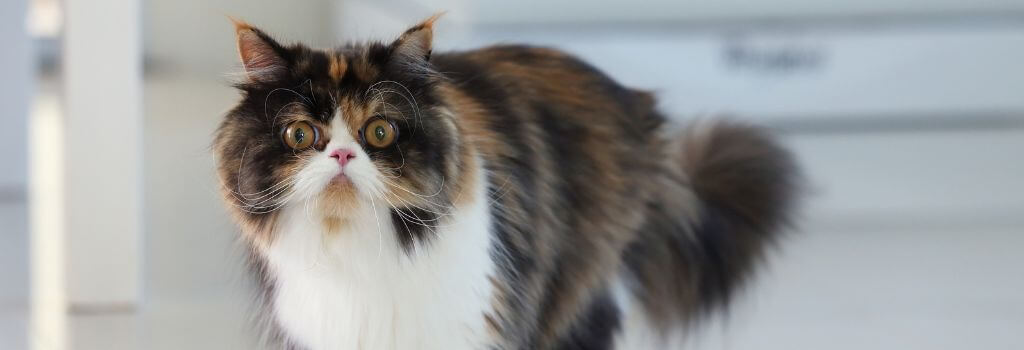
Brachycephalic dogs are dogs with a short, wide skull. These include French Bulldogs, Pugs, English Bulldogs, Boxers, Boston Terriers, Cavalier King Charles Spaniels, and the American Bully and American Bulldog breeds. Brachycephalic cat breeds include Persians, Himalayans, Scottish Folds, and Exotic Shorthairs, and these cats have the same skull structure that creates respiratory and digestive problems.
Their short muzzles and wide, rounded skulls give them a unique “baby-like” appearance that many owners find irresistible. Additionally, these characteristics are not only cute, but these dogs also have personalities and activity levels that are appealing to pet owners. Many of these dogs are less active and more sedate – perfect for owners who aren’t too active and don’t mind spending much of their time at home. These breeds of dogs and cats are also known to have big personalities, being frequently funny and entertaining to live with.
Health Concerns for Brachycephalic Pets
The same features that make brachycephalic pets so lovable are also what put them at risk for health problems, including respiratory difficulties (loud breathing) and associated digestive and eating disorders. While veterinary professionals have long understood the frequency and severity of breathing complications in brachycephalic dogs and cats, dysfunctions related to the processing of food and water are more recent revelations that are now being identified in veterinary studies.
Brachycephalic Obstructive Airway Syndrome
While dogs with flat faces and baby-like features are considered cute, there is a price to pay for some of the dogs that suffer from a more extreme form of this skull shape. This price has been defined as “Brachycephalic Obstructive Airway Syndrome” or “BOAS” for short.
BOAS is a specific respiratory condition caused by the skull, throat, and mouth shape found in brachycephalic breeds of dogs and cats. BOAS can occur in cats, but it is much more common and clinically significant in dogs.
Because these breeds that are considered brachycephalic have been bred for shortened skulls, their facial bones are compacted, but the soft tissues of the mouth and throat (like the tongue, soft palate, and nasal tissues) don’t shrink proportionally. This leads to alterations, including:
- Elongated soft palate (the soft palate is the soft portion of the roof of the mouth that opens into the throat)
- Relatively large tongue
- Stenotic nares (narrow nostrils)
- Undersized nasal passages
- Malformed and aberrantly growing nasal conchae (the scrolls of bone inside the nasal passages)
- Tracheal hypoplasia (a trachea (windpipe) that is relatively narrow)
- Acquired laryngeal complications, including everted laryngeal saccules
This mismatch causes obstruction of the upper airways, making it harder for them to breathe and causing other symptoms like:
- Intolerance to exercise and heat
- Frequent disruptions to sleep, similar to human sleep apnea and snoring.
- Syncope or fainting due to inadequate oxygen to the brain, especially noted during excitement or exertion
These compromises of the airways lead to increased negative pressure and increased effort to breathe, causing the softer tissues of the airways to stretch out, become saggy, and further make breathing difficult, in a vicious cycle. These changes then lead to:
- Secondary respiratory abnormalities
- Everted tonsils (yes, dogs have tonsils too)
- Laryngeal and tracheal collapse
- Digestive tract lesions
- Hiatal hernia, which occurs when the stomach moves forward into the chest cavity through the diaphragm
- Gastroesophageal reflux (GERD), which is like heartburn in humans
Despite many brachycephalic breeds suffering from BOAS, it is important for pet owners to understand that not all brachycephalic dogs and cats have this syndrome. There are individual dogs in this breed group, such as English Bulldogs, French Bulldogs, Pugs, Boston Terriers, and Cavalier King Charles Spaniels, that are quiet, comfortable breathers.
Digestive Issues and Dysfunctions
Digestive symptoms are most noted in French Bulldogs, English Bulldogs, and Pugs. These symptoms include:
- Frequent vomiting or regurgitation – Vomiting is forceful, while regurgitation is more passive, with food simply coming back up.
- Excessive salivation (ptyalism)
- Difficulty swallowing or discomfort while eating
- Aerophagia – swallowing too much air, which can cause belching, gas, or even increase the risk of bloat (GDV)
- Slow stomach emptying and inflammation of the stomach
- Gastroesophageal reflux and esophagus inflammation
- Hiatal hernia
- Pica – eating non-food items
- Postural behaviors – seeking positions that relieve pain or swallowing difficulty
- Abnormal pylorus – irregular function in the stomach’s exit to the intestines
- Chronic small intestine inflammation (enteropathy) and/or protein-losing enteropathy
- Food-responsive diarrhea and excess gas
- Esophageal motility abnormalities – video fluoroscopy shows that the esophagus doesn’t move food normally, causing prolonged transit and increased reflux
- Malalignment of the teeth
The Combination of Breathing & Digestive Complications
Both breathing and digestive disorders are related, chronic, and progressive. In some dogs, the stomach contents reflux into the esophagus due to respiratory obstruction. This reflux causes pain and inflammation, and causes pooling of food in the stomach. This leads to nausea and vomiting. Recent findings show that affected dogs aspirate stomach contents so frequently that they are desensitized to this sensation. Aspiration pneumonia can result.
Frequent vomiting and regurgitation, as well as noisy breathing, even without exertion, are not normal. To be clear, this is not new! For over 50 years, these syndromes have been noted. But the increased popularity of the brachycephalic dogs has brought this to the forefront.
What Do These Health Issues Mean for My Brachycephalic Dog?
What does this mean to my dog? If you have a brachycephalic dog or breed, you and your veterinary team are likely to become great friends. Foster a good relationship with a veterinary clinic that understands the needs of your dog and you. They can help you to get the most quality years from your beloved dog.
At our clinic, we had an English Bulldog patient who lived to be 15 years old, but only because he had very attentive and devoted owners who were willing to meet all of his needs, from a respiratory, digestive, and orthopedic approach. Given the right veterinary care and your devotion to your dog, you can do some simple and not-so-simple techniques for extending your dog’s life and saving yourself some money.
How Can I Improve My Brachycephalic Dog’s Quality of Life?
Purchase Your Puppy from a Reputable Breeder
Purchasing from a breeder who uses BOAS testing and does other OFA health screenings can greatly reduce the likelihood of genetic disorders. Select your breeder carefully and wait patiently for the right puppy who has been seen by a veterinarian experienced in working with brachycephalic dogs, like our very own Dr. Greer.
Monitor Your Dog’s Body Weight and Body Condition
Ask your vet at every visit about your dog’s weight. The weight they are at, at 8 months of age, is typically a good guideline to maintain. Keeping your dog at an ideal body weight is the single-most important factor YOU can control to impact their life expectancy.
Avoid Neutering or Spaying Your Dog Young
Waiting until after skeletal maturity (after puberty or the 1st heat cycle) is recommended. It may be better to wait even longer, depending on the individual dog. Waiting to spay or neuter reduces obesity, urinary incontinence, orthopedic disorders, and several kinds of cancer. Alternatives to spaying and neutering include gonad sparing procedures, offered at Veterinary Village and Check In Veterinary.
Feed an Appropriate Diet
Canned food or water added to food and feeding smaller, more frequent meals can help brachycephalic breeds with digestion. Lower-fat and fiber diets can help digestion. A single protein and a single carbohydrate source can help with digestion. A novel protein or hydrolyzed protein may be recommended by your veterinary professional. The right protein can help limit gas. 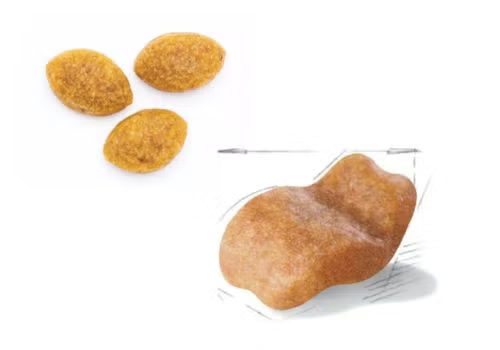
Royal Canin makes a Bulldog diet. The kibble shape is better suited to the shorter-faced dogs that resort to picking up their food. The formula is meant to reduce gas formation during digestion. Sometimes a canned food or protein-specific diet is recommended. Follow the recommendations from your veterinarian. For Persian cats, I recommend Royal Canin’s Persian Cat food. Food at room temperature or slightly warmer may help with digestibility.
Larger-bodied brachycephalic dogs are at risk of gastric dilation and volvulus (GDV), also known as bloat. This is when the stomach fills with gas and twists in the abdomen. The most notable symptoms are non-productive vomiting and abdominal distension. This is one of the most serious veterinary emergencies and requires IMMEDIATE veterinary intervention. Keeping simethicone (GasX) on hand can be helpful, but it is not a substitute for emergency care.
Maintain Their Activity Level
Keep your dog fit with appropriate exercise, based on ambient temperatures and humidity. During warm, humid weather, minimize outdoor activity with your dog.
Feed With a Bulldog Bowl
Do not use a puzzle feeder that is hard for the dog to get the food kibbles out of the feeder. Brachycephalic bowls with an angled edge to help with neck posture, slowed food intake, and taking in less air while eating.
Provide Plenty of Fluids to Avoid Dehydration
Providing plenty of fresh water and using a raised water system – this may be an elevated water dish, a Lixit drinking bottle, or just putting the dog bowl on a non-slip mat on the open door of your dishwasher. By elevating the bowl, the dog or cat can swallow water and food more easily and are less messy too! (No, the whole dog should not be on the door of the dishwasher, just the bowl.)
Use Medications As Prescribed by Your Veterinarian
Medications can be prescribed by your veterinarian. These include: medications to move food through the GI tracts, anti-emetics to reduce vomiting, GI protectants , and acid-blocking drugs. Only use these with the direction of your veterinarian.
Keep Up With Dental Care
As a puppy, if there are retained baby teeth, they should be extracted. If there is crowding, some teeth may need to be extracted or monitored because of rotation due to crowding. As your dog or cat matures, there is likely to be dental tartar accumulating because of crowding and rotation of the teeth. Having healthy teeth with minimal tartar and gum disease is an important contributor to the overall health of the dog or cat.
Will My Brachycephalic Dog or Cat Need Surgery?
Diagnostics for brachycephalic patients may go well beyond a physical examination in order to understand the extent to which their breathing and digestion are impacted. It may require blood work, x-rays, swallowing studies, and scoping the respiratory and GI tract. Surgical intervention for some of the airway conditions we’ve mentioned above may become a necessity for your dog if your care team determines it can improve their bodily functions or quality of life.
Even if you do everything listed here well, some dogs still have such extreme airway disease that surgery becomes necessary for them to live and breathe comfortably. Should this be the case, it is recommended that you see a board-certified veterinary surgeon with experience in airway surgery, laser, and 24-hour nursing care for post op recovery.
While previously used as a treatment for dogs experiencing complications with breathing and eating, the simple shortening of the palate and opening the nostrils is no longer the standard of care for these diseases. More sophisticated and complex procedures can improve your dog’s airway and quality of life. Hiatal hernia repair may also be necessary in some cases, depending on the findings of your veterinary care team.
The team at Veterinary Village is well qualified to provide this kind of treatment for brachycephalic dogs and cats. If you’re concerned about your dog’s breathing or quality of life, reach out to us for a consultation.
Dental care will require anesthesia to keep the mouth healthy. As in humans, dental disease contributes to kidney, liver, heart, and other health problems. Dental care without anesthesia, such as hand scaling the teeth, can accelerate dental disease. Neglecting to brush the teeth and use dental care products that are VOHC approved can cause poor dental health and the need for dental cleanings. Brachycephalic patients are at increased risk of anesthetic complications, so better home dental care can lead to a healthier patient needing fewer anesthetic procedures.
Using Better Breeding Tactics to Improve the Lives of Brachycephalic Breeds
The good news is that breeders of these dogs are working with the Orthopedic Foundation for Animals (OFA) to breed dogs with the desirable appearance without the negative respiratory and GI signs. OFA has used a system developed by veterinarians at Cambridge in England called the “Respiratory Function Grading Scheme” or “RFGS.” In this application, “scheme” means a system or assessment, not something sneaky and underhanded – understanding the British utilization of the word.
This BOAS system is a method for veterinarians who are specially trained to assess the dog’s airway by listening to their breathing with a stethoscope positioned over the chest as well as on the throat, with the dog at rest and after 3 minutes of brisk walking. It also includes a visual inspection of the shape of the nostrils. The dog is then given a score of BOAS 0 to 3 by the attending veterinarian. This helps the owner and breeder of the dog to determine which dogs are good breeding candidates to help produce fewer BOAS-affected puppies. You can locate a veterinarian or health clinic where there is BOAS testing available on the OFA website.
At this time, there are only a handful of veterinarians trained to perform BOAS tests, but this number is likely to increase as more and more brachycephalic breeds require medical intervention. Dr. Marty Greer at Veterinary Village and Checkin and Checkout Veterinary is trained and available to offer this service. Please call for an appointment at (920) 269-4072.
By carefully selecting a puppy or kitten and providing great home and veterinary care, you can help your brachycephalic puppy or kitten live a long, happy, and healthy life.